How the EU’s Eco-design Regulation is Transforming Transparency, Sustainability, and Trust in the Products We Buy
Have you ever wondered who made your favorite coffee or stitched together your shoes? In an era where consumers increasingly demand transparency, the European Union is stepping up with a groundbreaking initiative: the Digital Product Passport (DPP). This tool is set to revolutionize how we understand the products we purchase, offering insights into their origins, manufacturing processes, and environmental impact.
The Eco-design Regulation: A New Framework for Sustainable Products
The EU Regulation 2024/1781, known as the Eco-design for Sustainable Products Regulation (ESPR), establishes a comprehensive framework to define eco-design criteria for products marketed within the European Union. Effective from July 2025, this regulation aims to enhance product transparency, traceability, and sustainability.
Key Objectives:
Transparency: Provide consumers with reliable and comprehensive product data.
Information Accuracy: Ensure accurate disclosure of product contents, including hazardous substances.
Open Data Integration: Promote open data principles to benefit businesses, consumers, and the environment.
Introducing the Digital Product Passport (DPP)
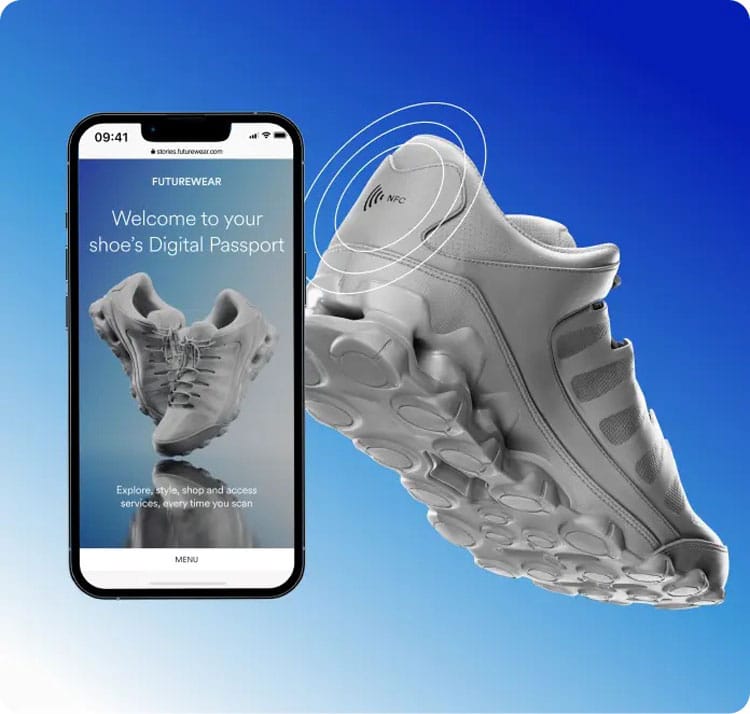
The DPP is a structured set of data about a product, accessible electronically through means such as QR codes or barcodes. It offers comprehensive and traceable information regarding the entire life cycle of a product, facilitating its identification and enabling consumers to make informed choices.
Core Components:
Transparency: Data on materials, sourcing, and manufacturing processes.
Traceability: Detailed information on each stage of the production chain, including environmental, social, and governance (ESG) aspects.
Sustainability: Guidance on environmental impact, product lifecycle extension, and recycling or proper disposal.
Implementation and Scope
The DPP will be mandatory for finished and intermediate products, with initial focus on industries like textiles and furniture. Key stakeholders, including manufacturers, importers, and distributors, will have specific responsibilities to ensure compliance.
Access and Infrastructure:
Markers: Physical identifiers like QR codes on products or packaging.
DPP Registry: A centralized database for product identifiers.
Public Web Portal: A platform maintained by the European Commission for public access to DPP information.
Blockchain: The Backbone of the DPP
Blockchain technology is poised to play a crucial role in the DPP framework, offering a secure and immutable method for recording product information. Its features align seamlessly with the objectives of the ESPR.
Advantages of Blockchain Integration:
Data Security: Protects sensitive company information while ensuring transparency.
Traceability: Provides an unalterable record of the product’s journey.
Compliance: Facilitates adherence to regulatory requirements through verifiable data.
Real-World Applications:
Aura Blockchain Consortium: Utilized by luxury brands like LVMH and Prada for product authentication.
Circularise and Digimarc: Implementing blockchain solutions in industries such as plastics, batteries, and e-mobility.
Recommendations for Stakeholders
For Enterprises:
Data Management: Conduct internal audits to classify and organize product data.
Security Measures: Implement strategies to protect trade secrets and sensitive information.
Technology Adoption: Explore blockchain and other digital solutions to meet regulatory requirements.
For Regulators:
Technological Collaboration: Engage with technology providers to develop secure and interoperable systems.
Policy Development: Ensure that regulations balance transparency with the protection of confidential business information.
Conclusion
The introduction of the Digital Product Passport under the ESPR marks a significant step towards greater transparency and sustainability in the European market. By leveraging technologies like blockchain, the EU is setting a global standard for product accountability, empowering consumers, and fostering trust in the supply chain.