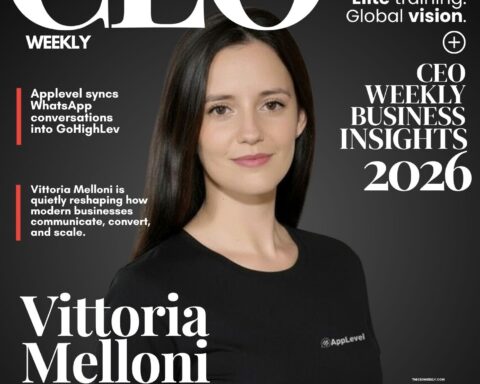
Leaders Embrace Relatable Identities to Strengthen Corporate Reputation in a Social Media Age
In today’s fast-paced business landscape, a remarkable shift is occurring among CEOs: the move from polished, corporate personas to more authentic, relatable identities. This evolution is driven by a desire to build stronger connections with employees, customers, and other vital audiences. According to a recent report by Weber Shandwick, authenticity has emerged as a key strategic asset, significantly intertwined with corporate reputation and market value.
The Impact of CEO Image on Corporate Reputation
The Weber Shandwick report reveals that 45% of global executives believe a company’s reputation is directly linked to its CEO’s public image. Furthermore, respondents attribute a staggering 44% of a company’s market value to the CEO’s reputation. In an era where social media, podcasts, newsletters, and vlogs dominate communication channels, CEOs have unprecedented opportunities to engage with both new and existing audiences. These platforms allow them to showcase interests beyond mere business expertise, further enhancing their personal brands.
This trend is particularly evident in the surge of CEO posts on LinkedIn, which have increased by 23% over the past year. Prominent executives, including Meta’s Mark Zuckerberg, Airbnb’s Brian Chesky, and Substack’s Chris Best, are increasingly participating in long-form, personal podcast interviews. Tech founder Andrew Yeung notes a notable shift in branding; whereas recognizable global brands once included Coca-Cola and Disney, today, the personal brands of figures like Elon Musk and Richard Branson have taken center stage.
Balancing Authenticity with Strategy
In light of this transformation, communication teams are playing a crucial role in helping CEOs navigate the delicate balance between authenticity and strategic messaging. Felicity Barber, founder of Thoughtful Communications and a former speechwriter at BlackRock, emphasizes the importance of collaboration between CEOs and their communication teams. “It’s about working in partnership to ensure authenticity while maintaining control over the message,” she explains.
However, the spotlight can be risky. Erin Pelton, co-founder of strategic communications firm Foretell, notes that successful CEOs are clear about their identities, vision, and target audiences. In contrast, those who attempt to appeal to everyone often miss their mark, losing focus on their core message. Pelton asserts that the era of “slick, packaged CEOs” who avoid controversy is over; today’s audiences, particularly younger ones, are quick to spot inauthenticity and are less likely to trust overly polished figures.
For instance, Chobani CEO Hamdi Ulukaya and Patagonia CEO Ryan Gellert have successfully aligned their personal commitments to sustainability with their corporate brands. Conversely, Elon Musk’s emphasis on free speech has become a central element of his vision for X (formerly Twitter).
Navigating Scrutiny: Challenges for Diverse Leaders
Despite the advantages of authenticity, communication experts caution that female CEOs and leaders from underrepresented communities face heightened scrutiny. These leaders often need to be more strategic about their public statements due to existing double standards regarding professionalism and authority. Communication teams are essential in providing context and support, enabling these leaders to navigate the complexities of public perception.
Conclusion: The New Era of Leadership
As the business landscape continues to evolve, authenticity is no longer just a trend for CEOs—it’s a necessity. Leaders who embrace their true selves and forge genuine connections with their audiences are better positioned to enhance their companies’ reputations and drive market value. In this new era of leadership, the ability to remain relatable while strategically communicating one’s vision will define success for CEOs in the years to come.